Winter Hormonal Skin Changes: Why Your Skin Feels Different This Time of Year
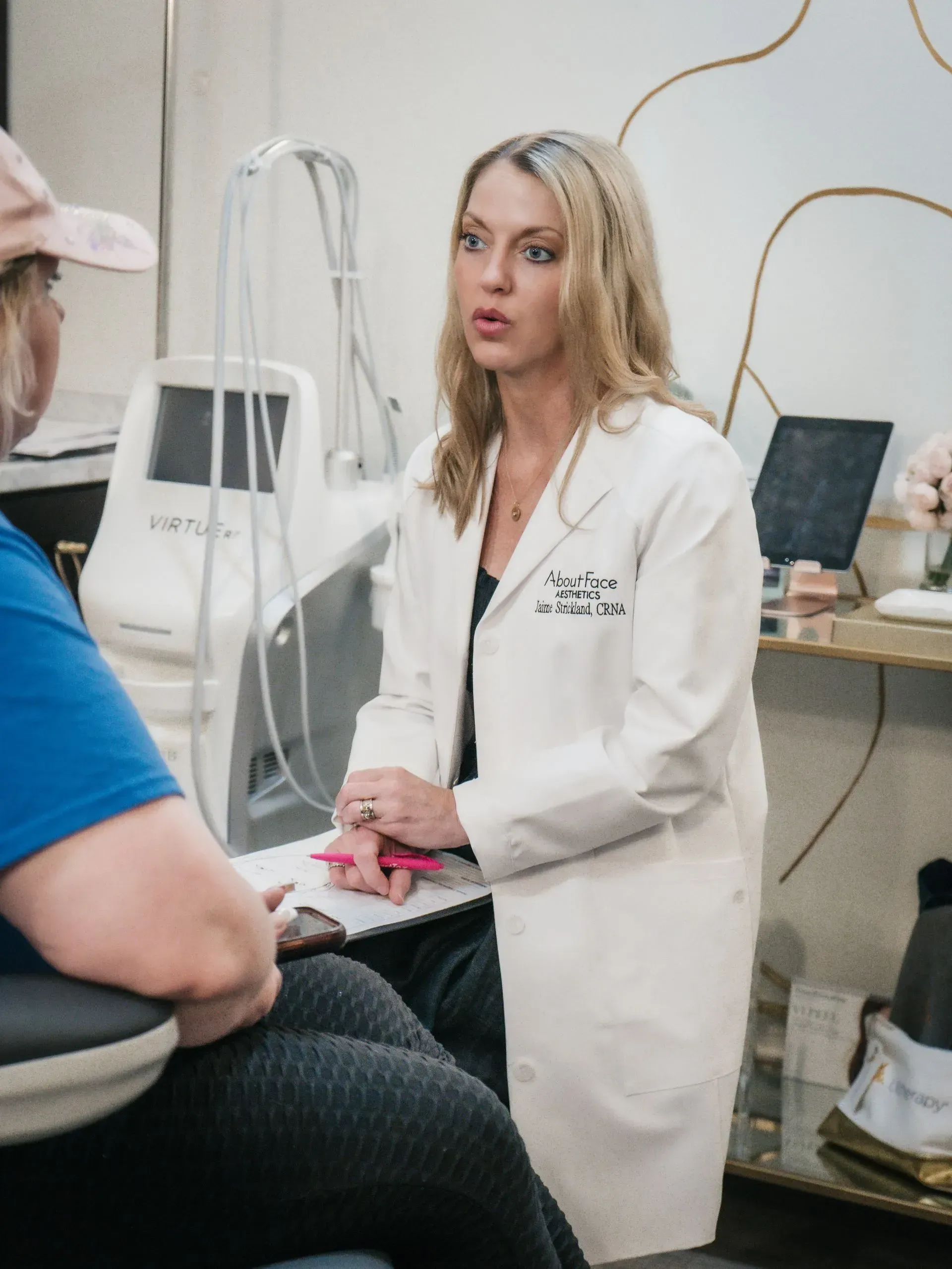
Every winter, we hear the same question inside our Chapin and Union treatment rooms.
“Why is my skin acting different all of a sudden?”
Some patients notice breakouts in areas that are usually calm. Others say their skin feels tight but oily at the same time. A few experience redness that shows up without warning. These changes often begin gradually, then become more noticeable as the season continues.
What many people do not realize is that winter affects more than temperature. It influences your habits, your stress levels, and even the rhythm of your hormones. When hormones shift, your skin reacts.
This is a guide to help you understand the connection.
What Changes in Winter That Affects Your Skin?
Instead of looking at just weather, think about everything that shifts between November and February.
1. Your light exposure changes
Shorter days influence your sleep patterns, your mood, and your cortisol levels. Cortisol has a strong relationship with inflammation, which is why many people see redness or hormonal breakouts in colder months.
2. Your hydration levels drop
You sweat less and drink less water. At the same time, indoor heat reduces moisture in the air. Dehydration affects hormone regulation and makes the skin barrier more reactive.
3. Your routine becomes less predictable
Holiday schedules, later evenings, different foods, travel, and stress all influence your hormonal balance. Your skin often shows the very first signs.
None of these changes are dramatic on their own, but together, they create the perfect conditions for hormonal skin shifts.
A Different Way to Look at Hormonal Skin Flare Ups
Most patients think breakouts or redness are purely surface issues. In winter, this is rarely the case.
Below is a breakdown of what the skin is often trying to communicate.
If you notice breakouts along the jawline
This is the most common area for hormonal acne during the winter. It often appears when cortisol becomes irregular or when metabolism changes from altered routines.
If your skin suddenly becomes dry but oily
This happens when dehydration pushes the skin to produce more oil as a protective response. It is not a sign of “overactive” skin. It is a sign of a barrier trying to defend itself.
If redness appears more easily
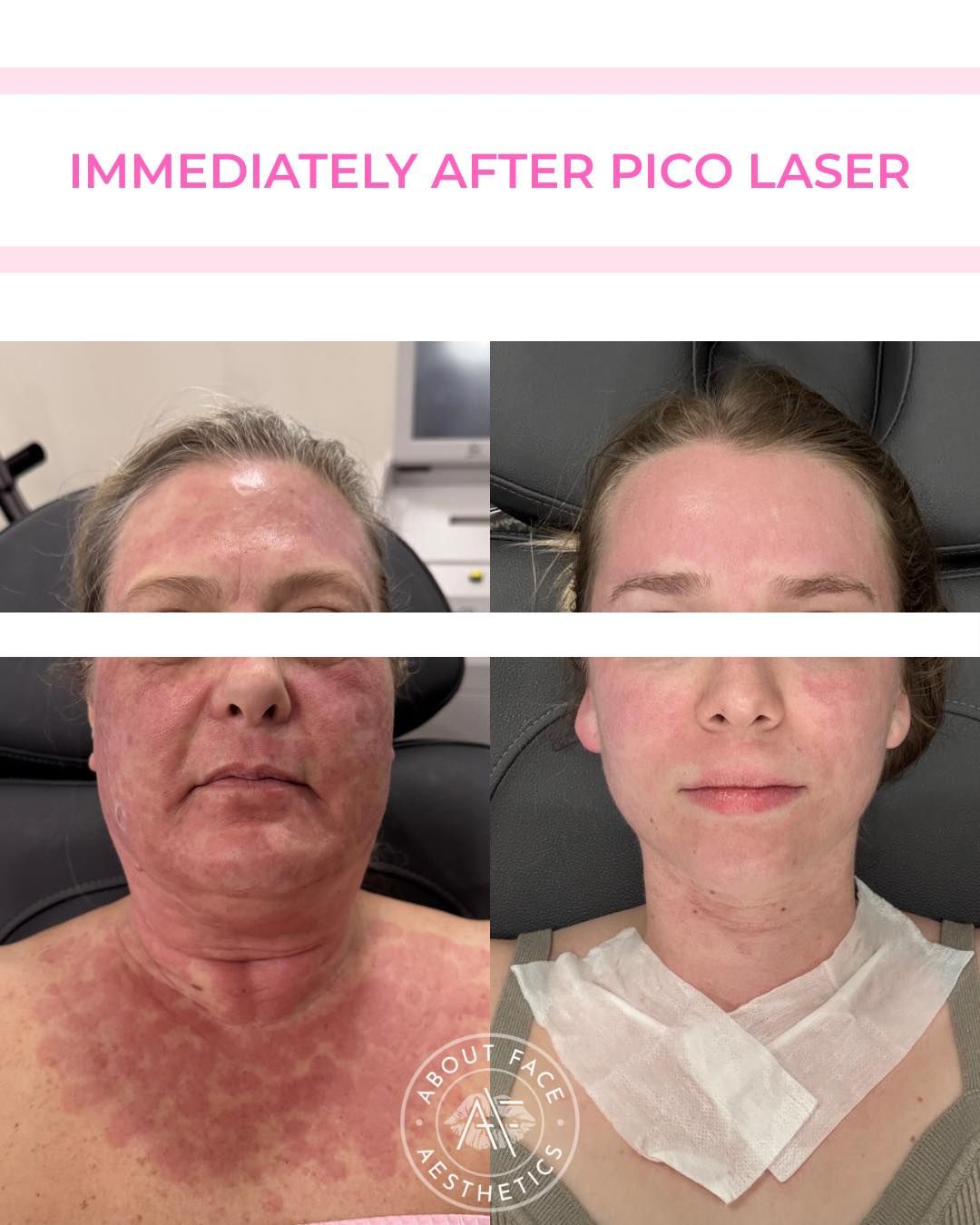
Cold outdoor air and warm indoor heat cause blood vessels to expand and contract quickly. When the skin barrier is weakened, these changes become more visible.
If your products begin to sting or irritate
This is a sign that your barrier has been stressed by temperature swings, lack of hydration, or hormonal fluctuation.
Seeing these patterns can help you understand that the problem is not your skincare routine. It is the season your skin is navigating.
Real Patterns We See in Chapin and Union Each Winter
Every winter, patients tell us:
- Their skin becomes inconsistent
- Breakouts come on suddenly
- Skin looks more textured under makeup
- Redness hangs around longer
- Their usual products feel too strong
These patterns repeat every year, which tells us this is not a personal issue. It is a seasonal cycle your skin responds to.
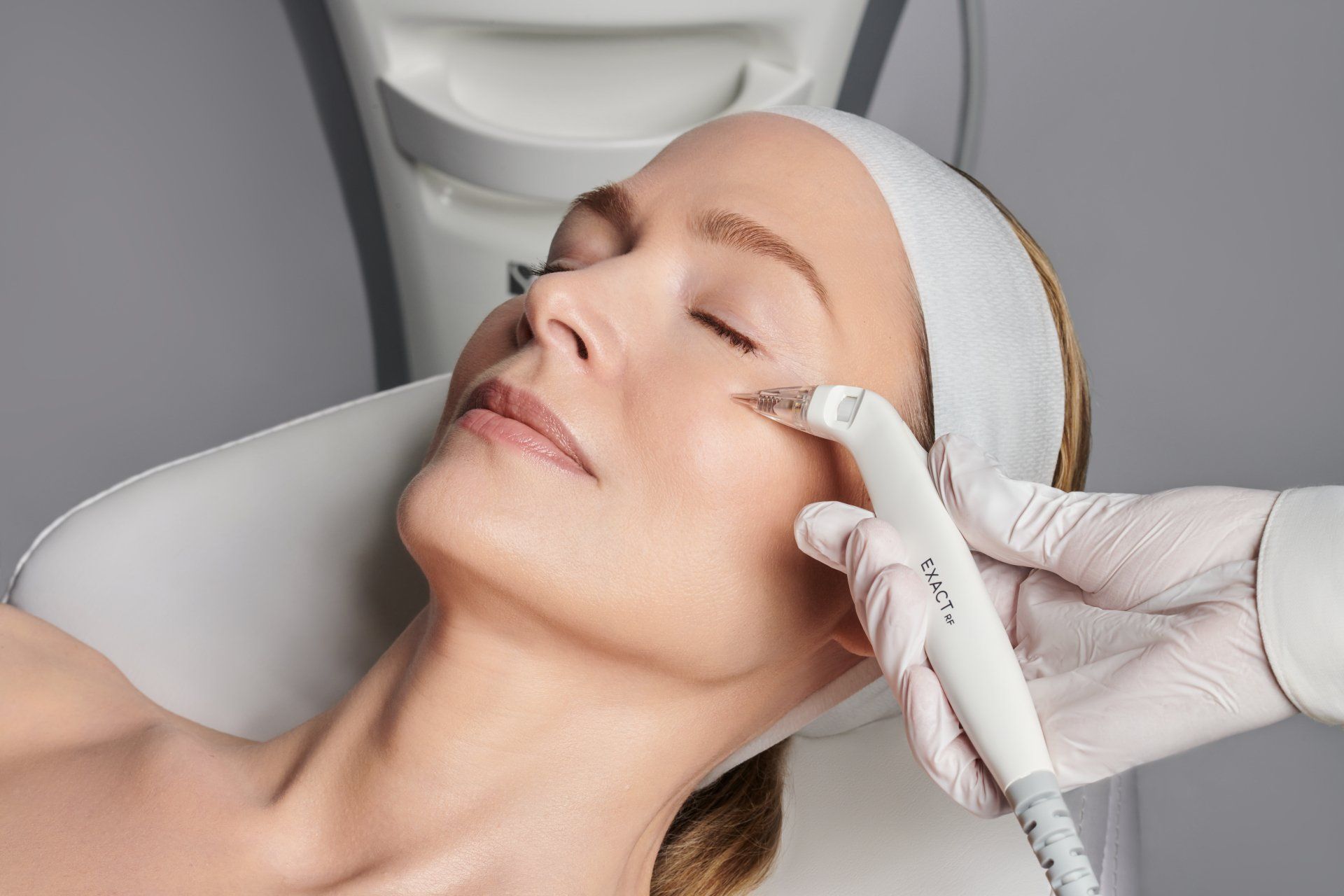
How We Treat Winter Hormonal Skin at About Face Aesthetics
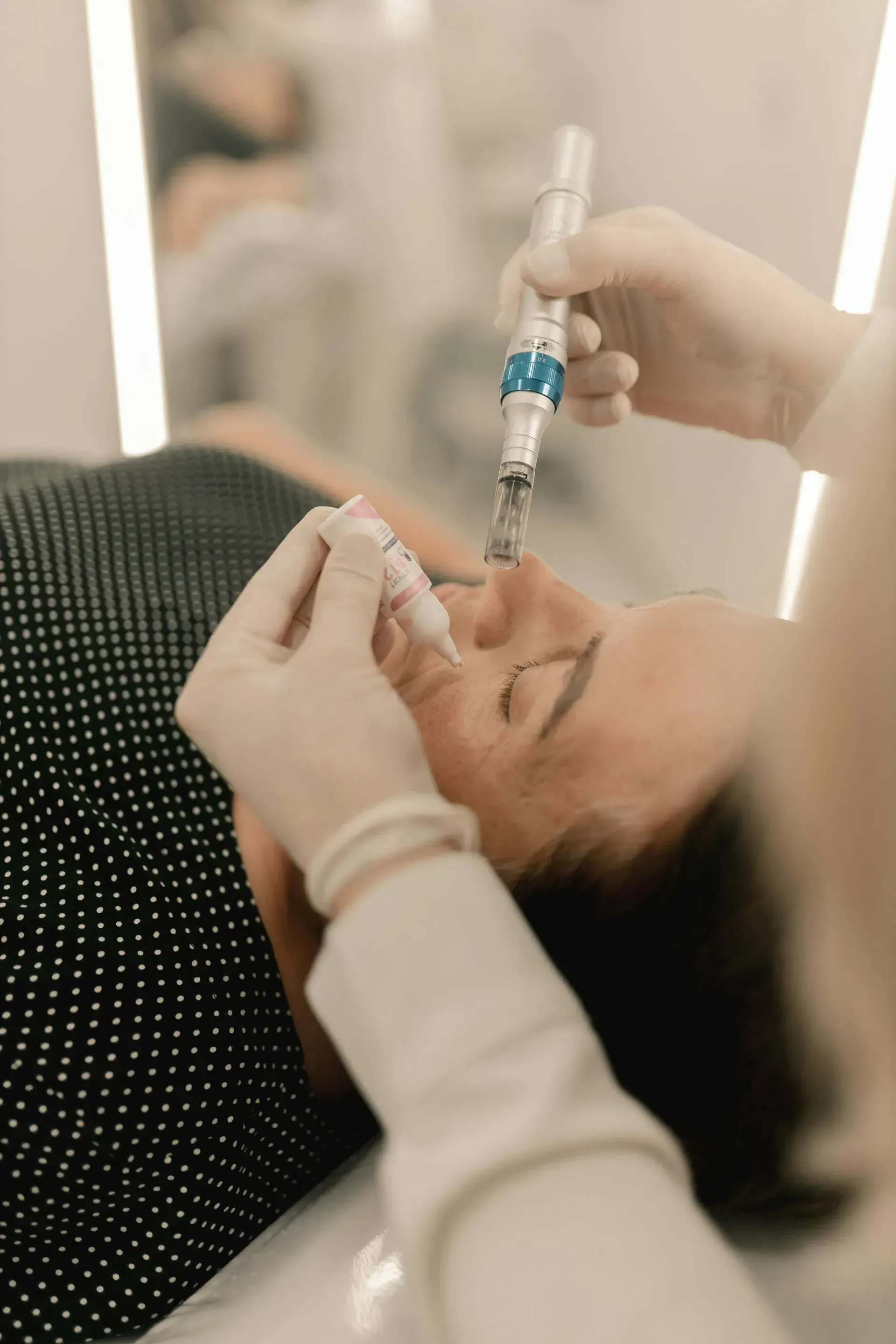
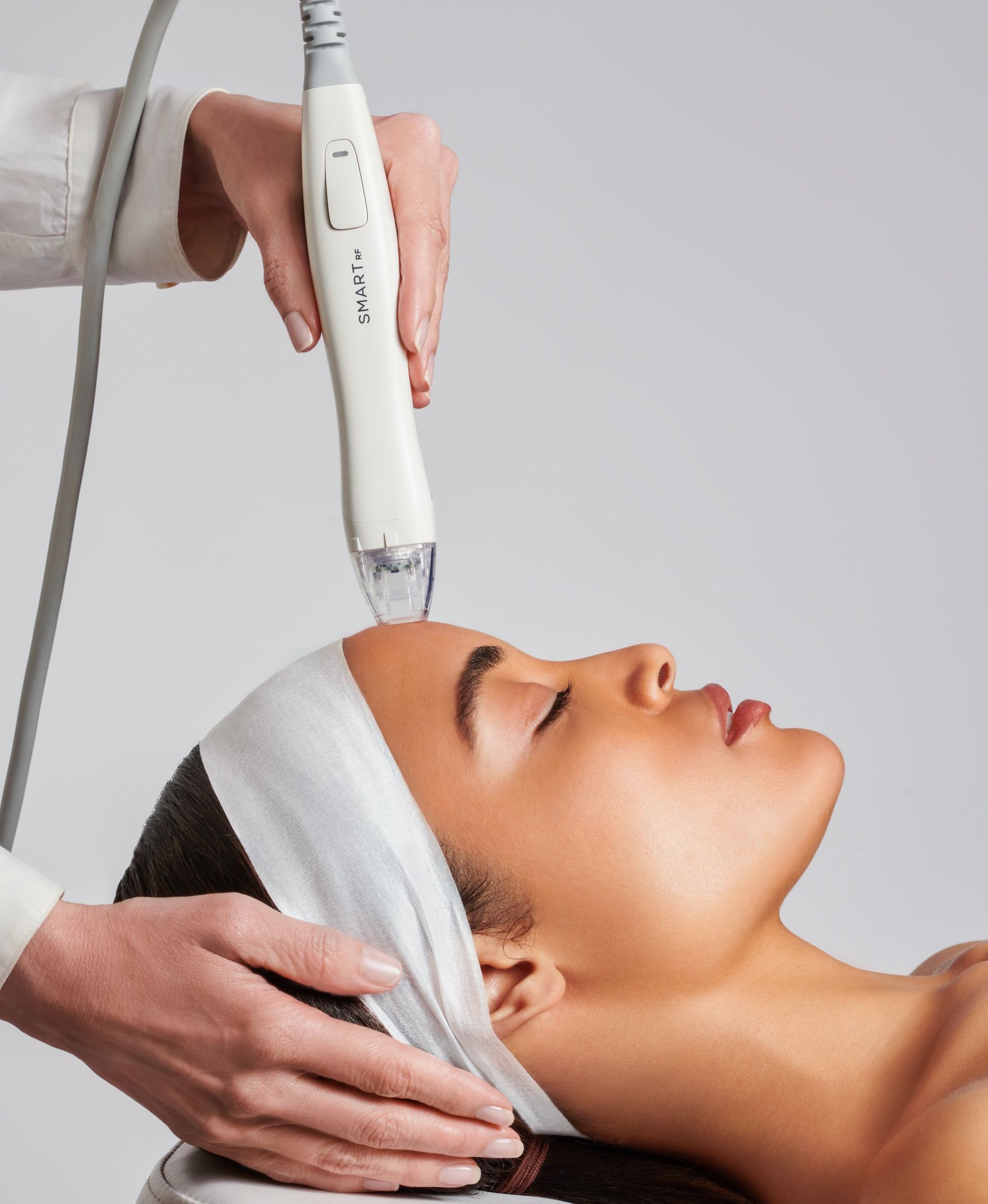
Instead of treating symptoms only, our approach focuses on stabilizing the skin so it can handle seasonal stress more easily.
Here is how we typically build a winter plan.
Step 1: Strengthen the barrier
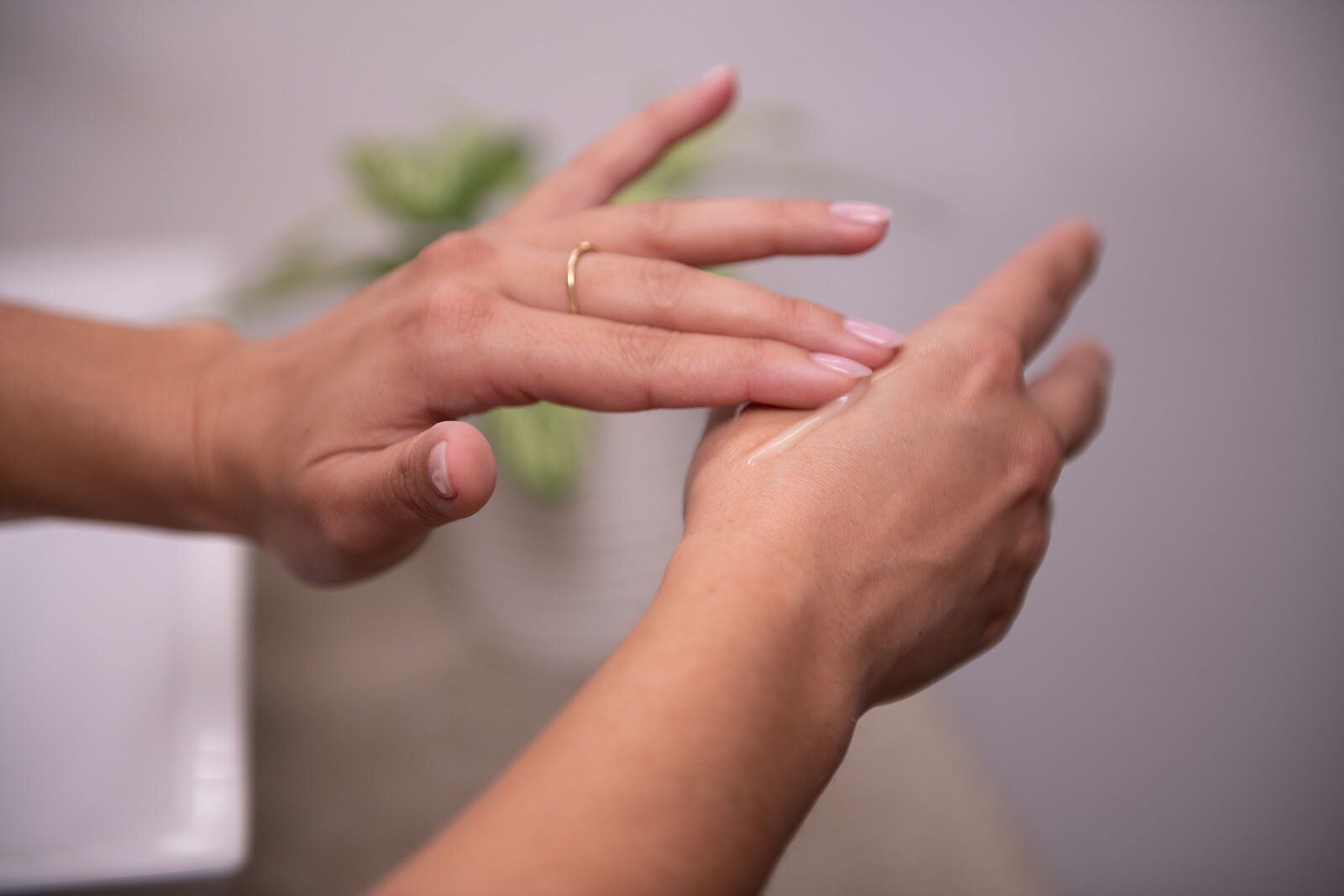
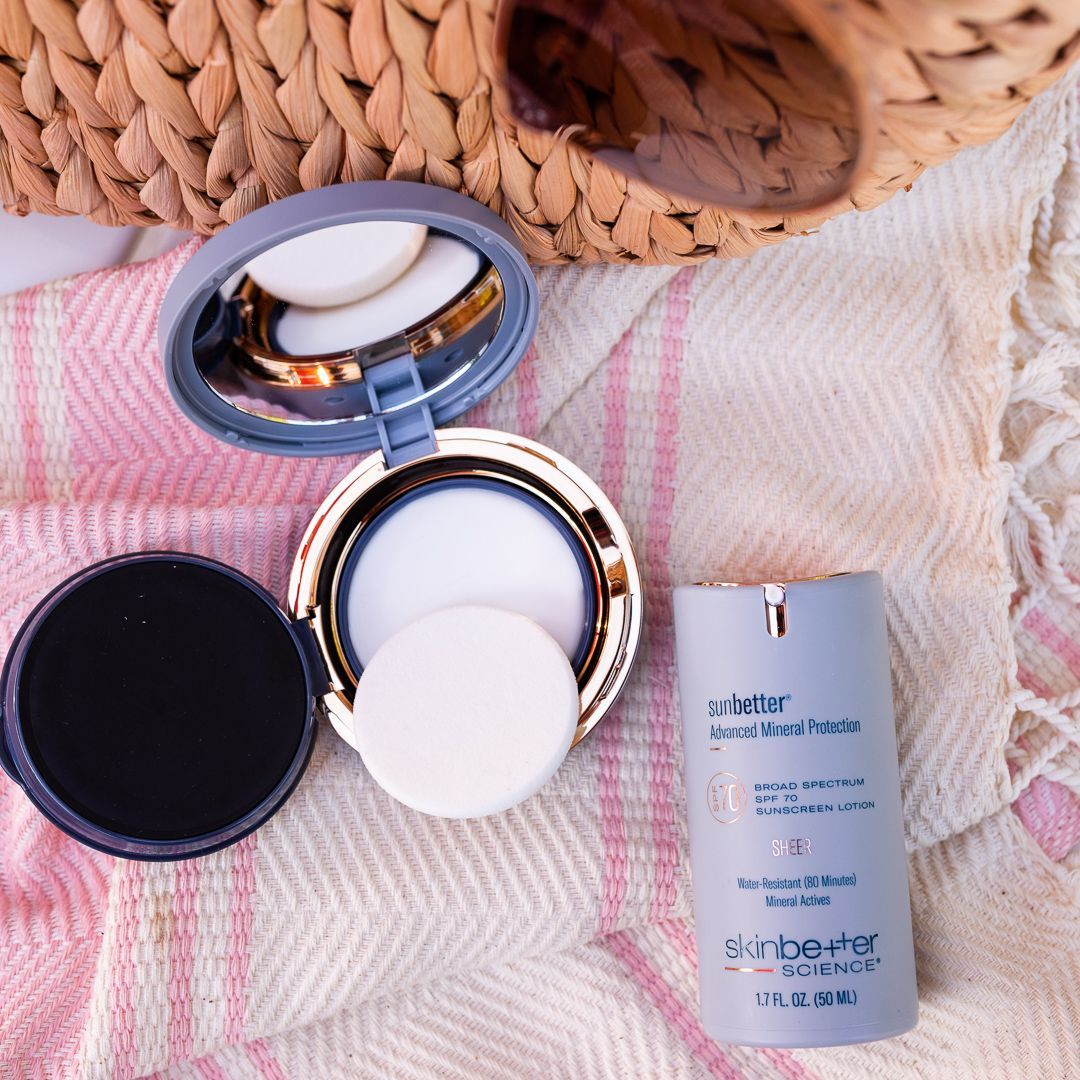
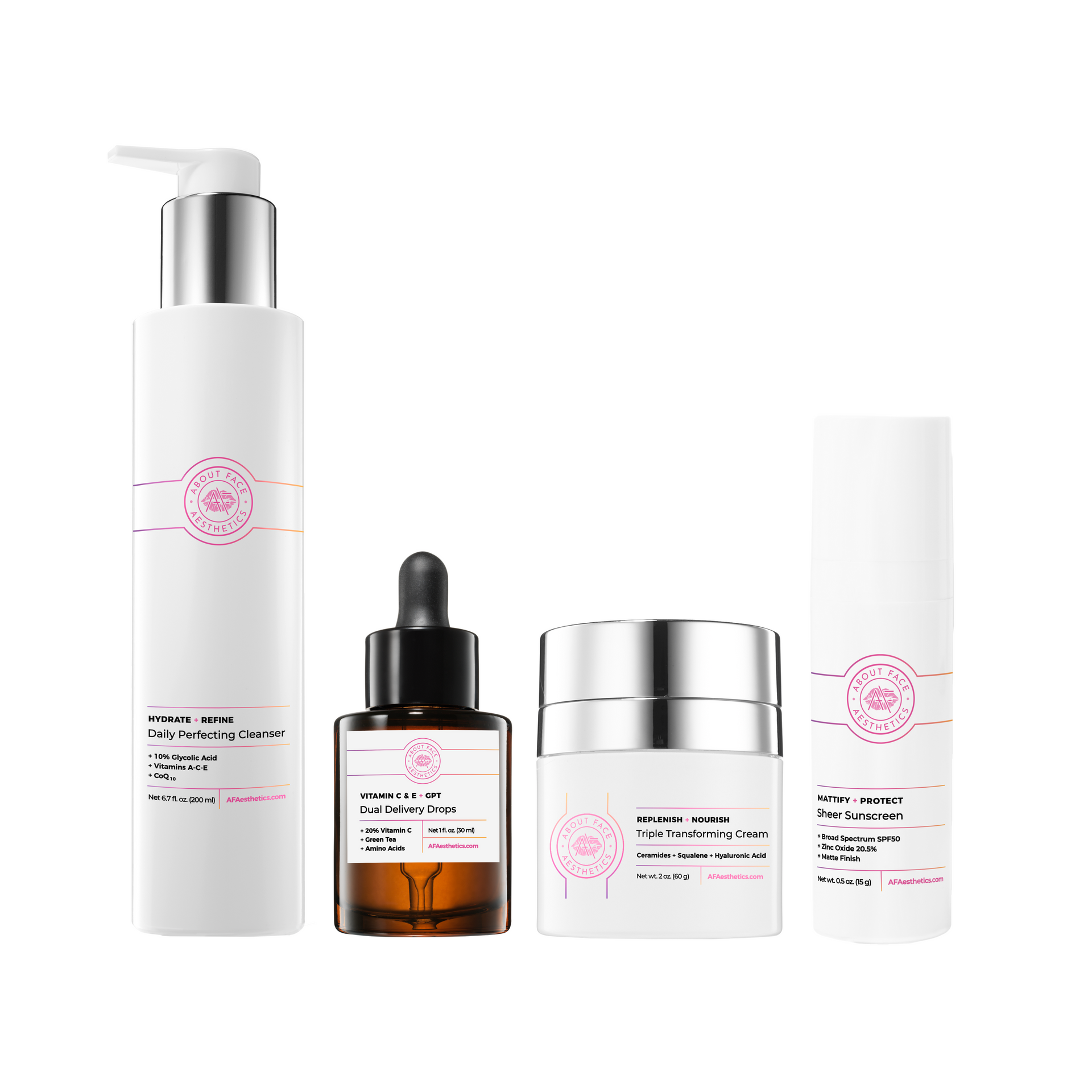
Barrier repair always comes first. Without it, nothing works well. We often recommend medical grade moisturizers and hydration focused serums during winter.
Step 2: Calm the skin
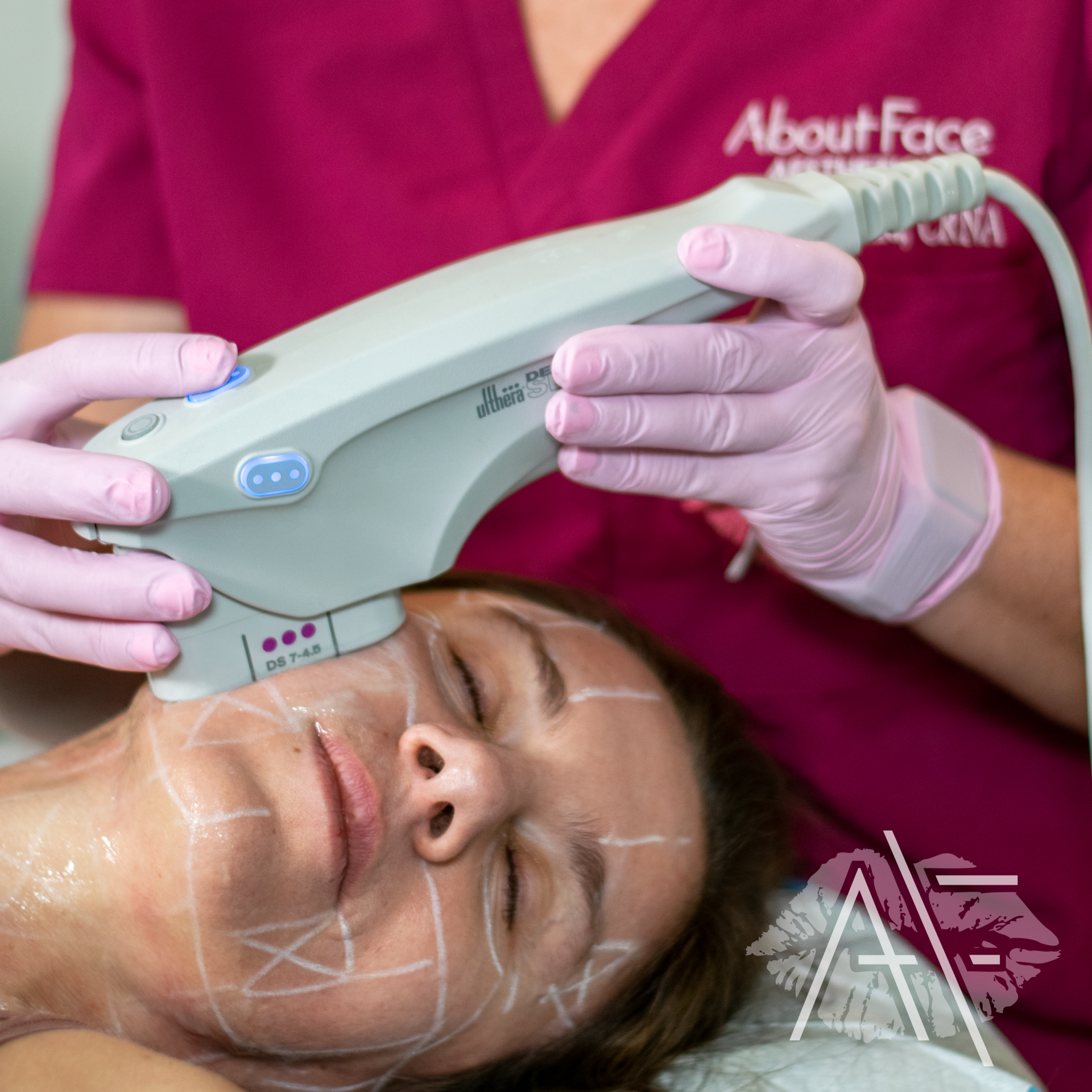
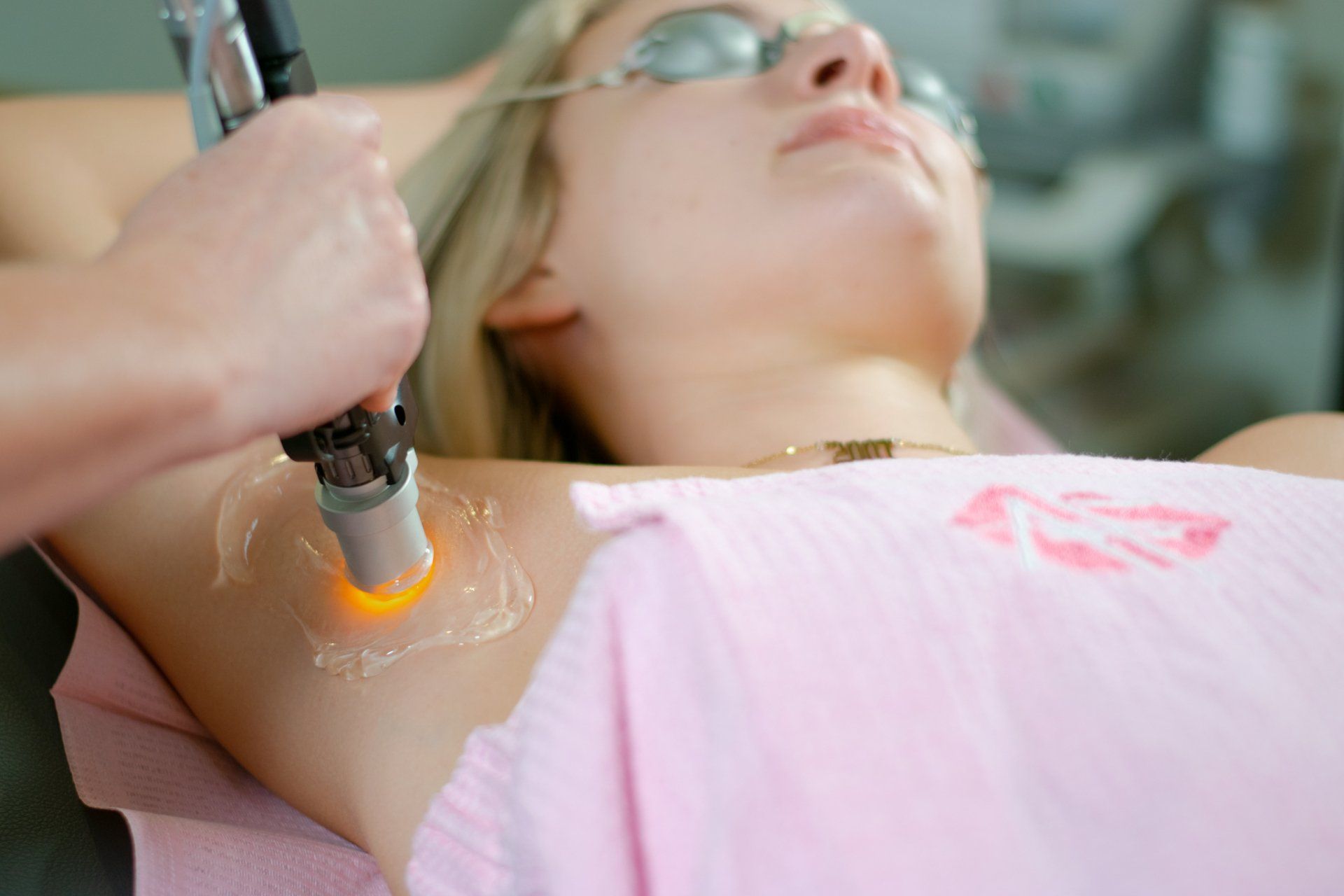
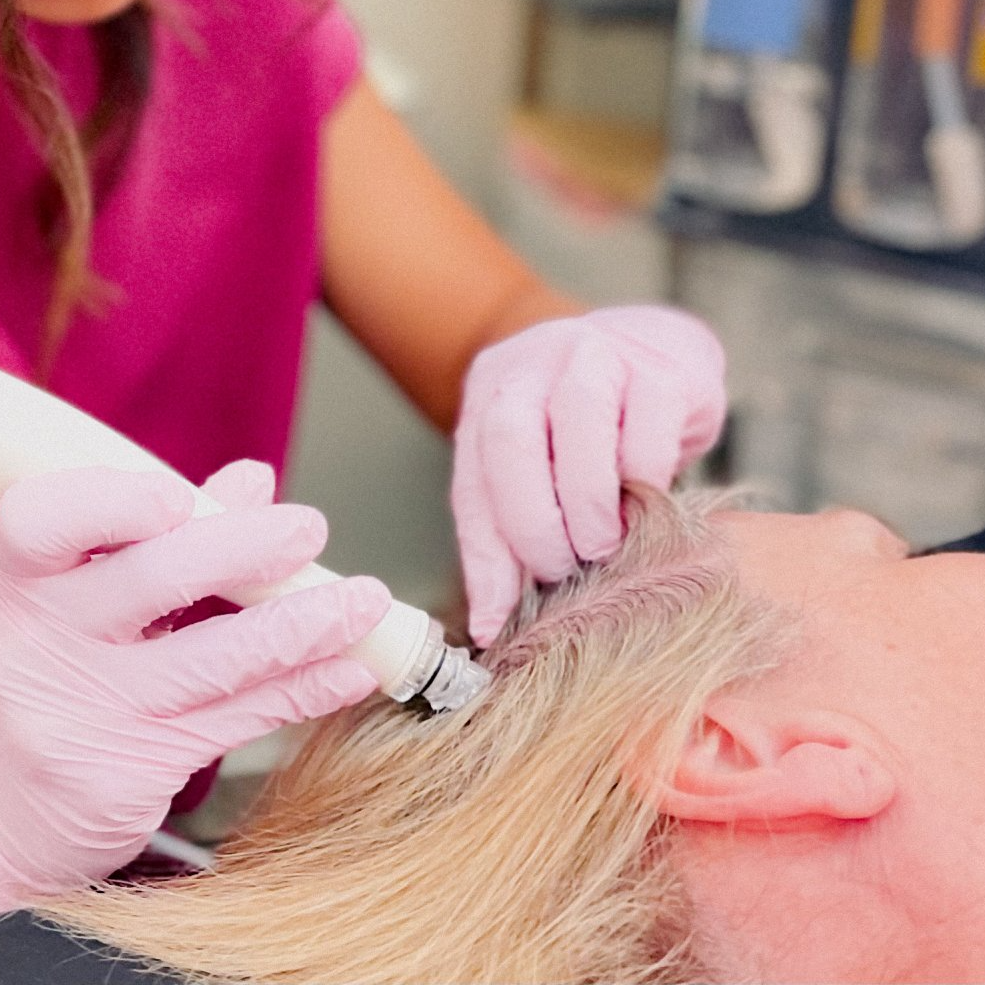
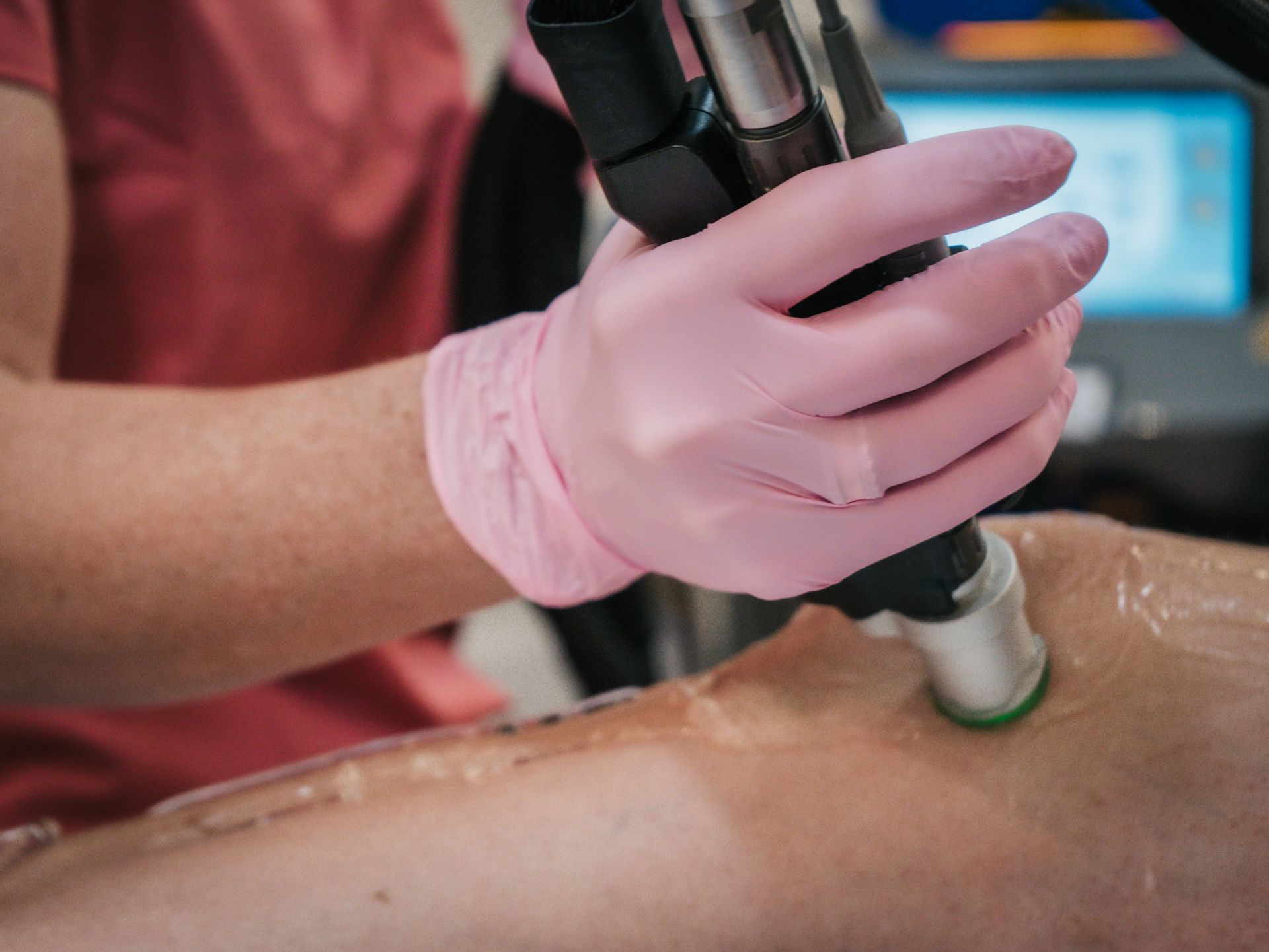
Aerolase works extremely well this time of year because it reduces inflammation without irritating already sensitive skin.
Step 3: Support natural renewal
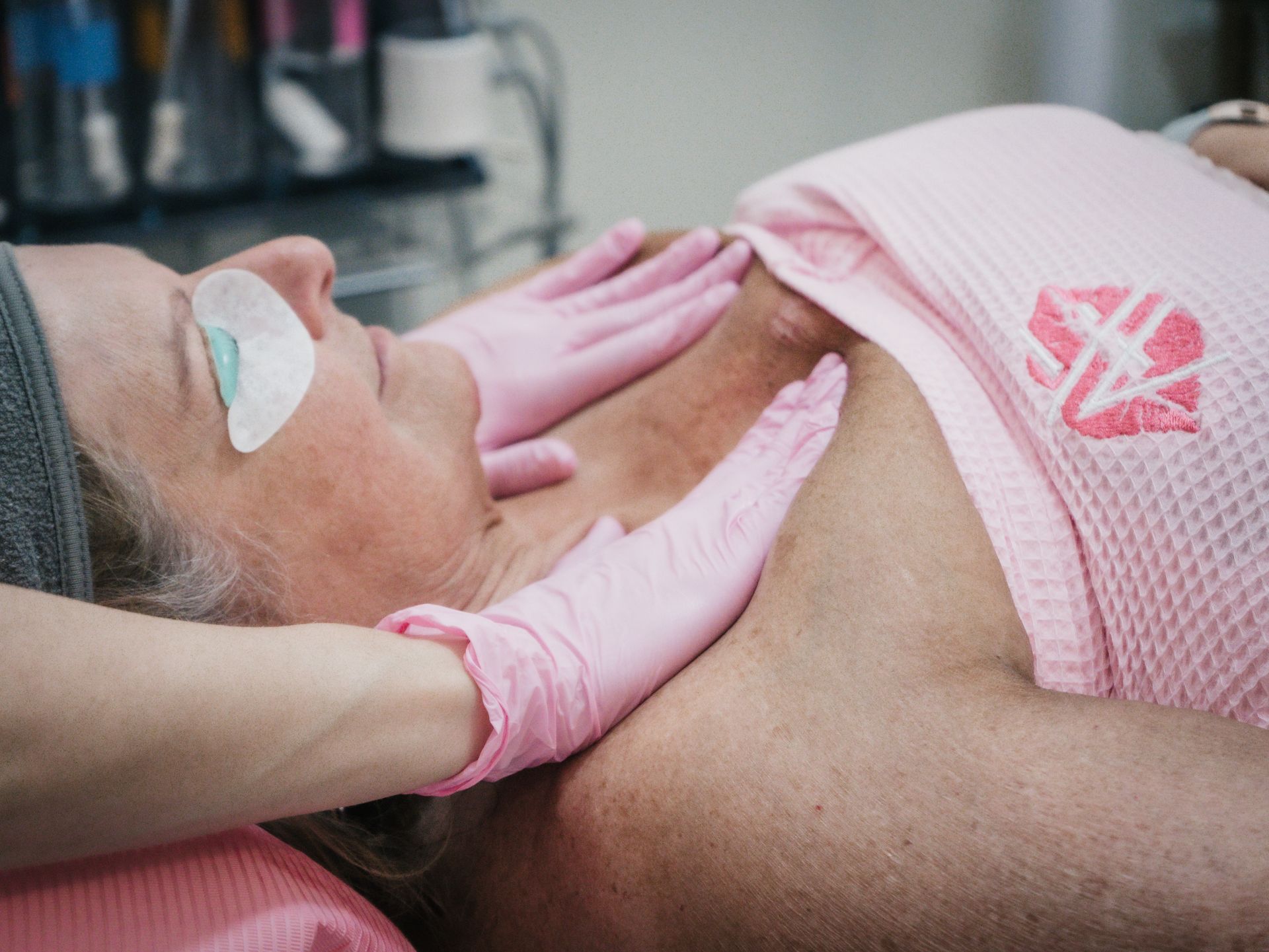
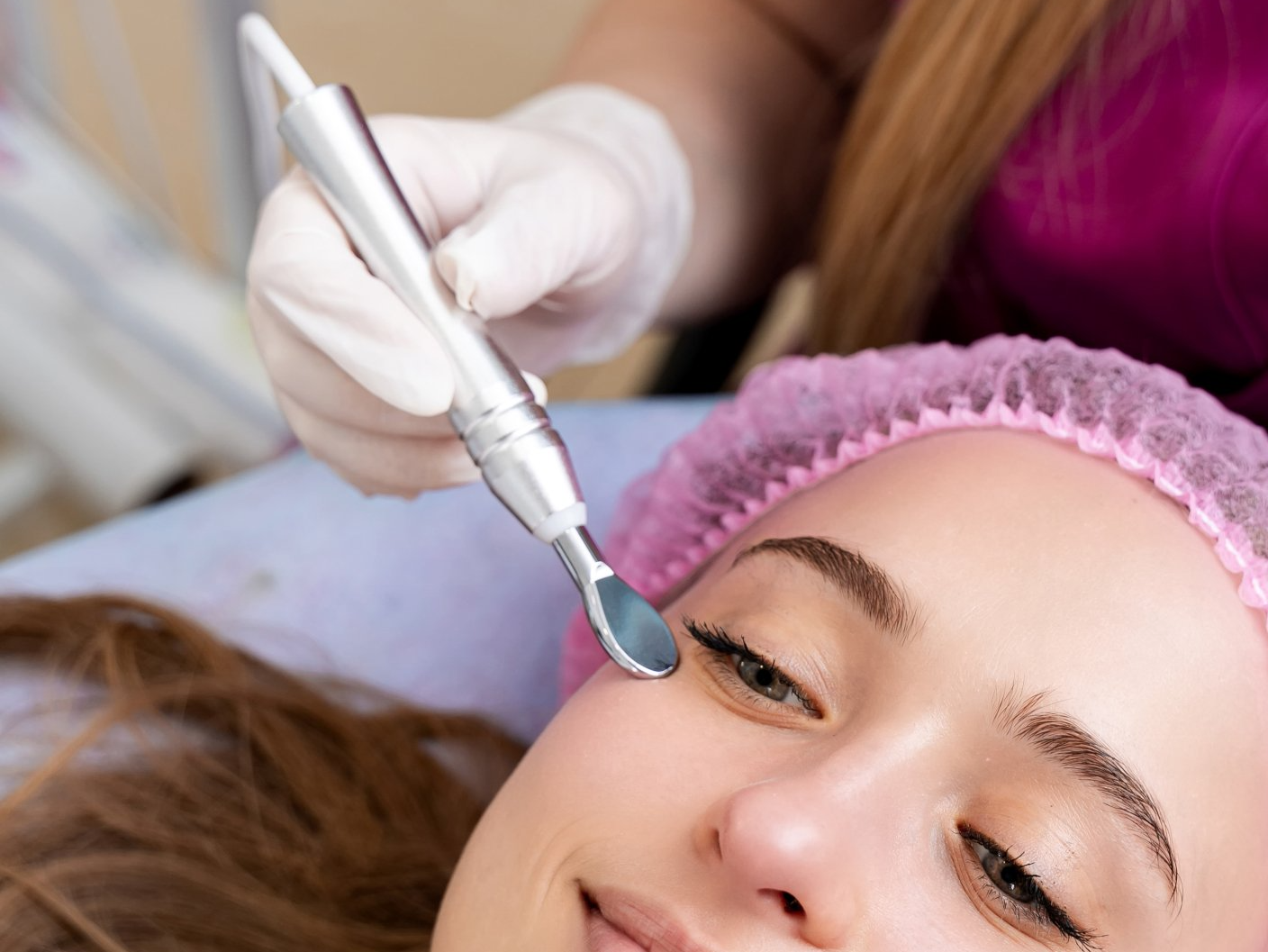
HydraFacial gives the skin a clean slate, removes buildup, and allows hydration to penetrate more effectively.
Step 4: Personalize the home routine
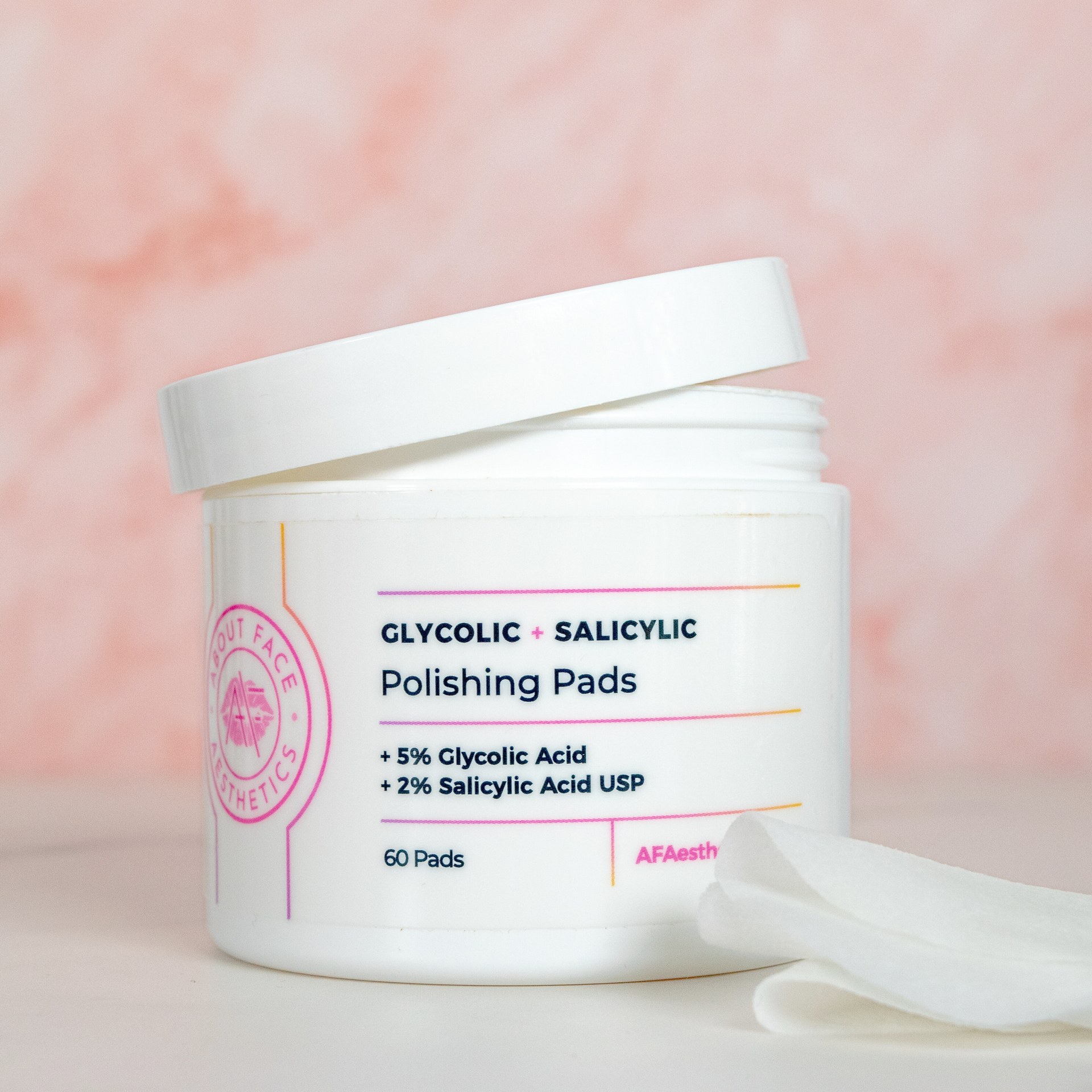
Winter usually requires swapping at least one product. Sometimes it is your cleanser, sometimes your moisturizer, occasionally your exfoliant. Small changes go a long way.
This combination helps the skin stay predictable even when hormones fluctuate.
Simple Questions to Ask Yourself This Winter
These questions help pinpoint what your skin may need.
- Am I drinking less water than usual
- Has my sleep pattern changed
- Has my stress level increased
- Does my skin feel tight after washing
- Has my makeup started to sit differently
- Have new breakouts appeared in the lower face
Your answers guide us toward the right treatment plan.
Your Skin Can Stay Steady All Winter
Your skin is not misbehaving. It is reacting to a seasonal shift that happens every year across South Carolina. When you understand how winter influences hormones, you can support your skin in a way that feels calm, predictable, and intentional.
If your skin is changing and you are not sure why, our team in Chapin and Union can help you understand what is happening and what your skin needs next.
Book a winter skin consultation at About Face Aesthetics: https://www.aboutfaceaesthetics.com/
Hot Snack Alerts
Want additional exclusive content?
Sign up for to be the first to know announcements & plus receive tips and tricks through our newsletter!
Join our Hot Snack Alerts!
We promise to only send you the good stuff & will never sell or giveaway your info!
By submitting this form, you agree to be contacted by About Face Aesthetics & Wellness and its employees.
Check out our latest blog posts!